NASA Wants Help Labeling Mars
NFK Editors - July 7, 2020NASA is asking people to help it label thousands of photos from Mars. The labels will be used to train a computer system to recognize different surfaces on Mars. This will help NASA drive its rovers safely for longer periods of time.
Learning more about the makeup of the land on Mars is very important for protecting NASA’s rovers on the red planet. In 2009, a rover called Spirit got stuck in a sand trap on Mars and never managed to get out.
NASA’s Curiosity Rover has been on Mars for eight years. In that time, it has sent back hundreds of thousands of pictures, as well as information that has helped scientists get a much better understanding of what Mars is really like.
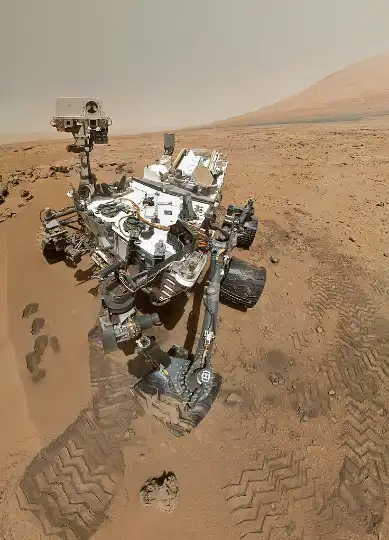
NASA’s Curiosity Rover (above) has been on Mars for eight years. In that time, it has sent back hundreds of thousands of pictures and other information that has helped scientists understand Mars better.
(Source: NASA/JPL-Caltech/Malin Space Science Systems, Julian Herzog [Public domain], via Wikimedia Commons.)
But Curiosity faces a problem – its wheels are wearing out, and there’s no chance of getting them replaced.
During its time on Mars, the 8,583-pound (3,893-kilogram) rover has only driven about 14 miles (22.5 kilometers). But it has covered some extremely rough ground. The tread on its wheels is wearing out. (The tread is the part that helps the wheel grip the ground.)
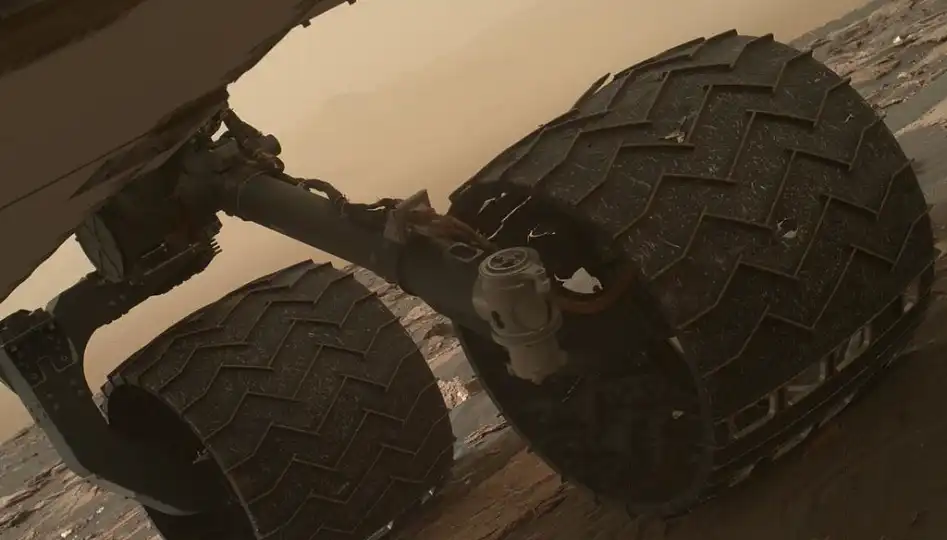
During its time on Mars, the 8,583-pound (3,893-kilogram) rover has only driven about 14 miles (22.5 kilometers). But it has covered some extremely rough ground. The tread on its wheels is wearing out. The broken tread can be seen above.
(Source: NASA/JPL-Caltech/MSSS [Public domain], via Wikimedia Commons.)
To make the wheels last as long as possible, NASA needs to get even better at identifying different kinds of Mars ground surfaces, so it can choose smooth paths for Curiosity. The space agency is asking ordinary people to help.
NASA wants people to help it label thousands of photos from Mars. The labels will be used to train an artificial intelligence computer program to identify different kinds of ground surfaces on Mars.
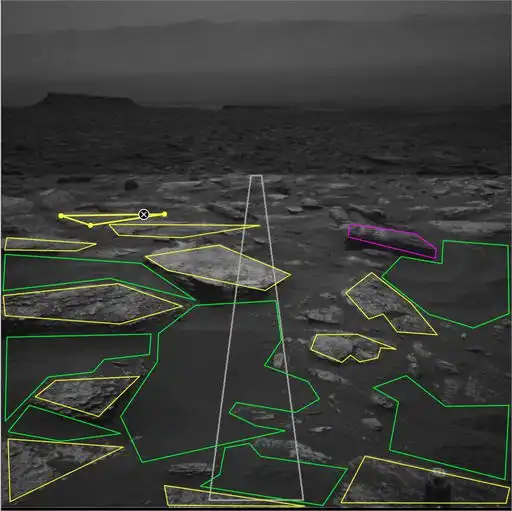
NASA wants people to help it label thousands of photos from Mars. The labels will be used to train an artificial intelligence computer program to identify different kinds of ground surfaces on Mars. Above, an example image of Mars, labeled (by color).
(Source: AI4Mars.)
Artificial Intelligence (AI), sometimes known as “deep learning”, describes computer programs that sort deeply through huge amounts of information. This allows them to find patterns humans may not have noticed. The program can then use these patterns to correctly identify things it’s never “seen” before.
But in order for NASA’s AI system to automatically be able to tell the difference between sand, dirt, and rocks on Mars, it needs lots of training information. That means lots of labeled examples to learn from.
NASA is working with Zooniverse, a website that allows scientists to get help from large groups of ordinary people. The two have set up a special site called AI4Mars.
In order for NASA’s AI system to automatically be able to tell the difference between sand, dirt, and rocks on Mars, it needs lots of training information, and lots of labeled examples to learn from. The website AI4Mars was set up to help solve that problem.
(Source: AI4Mars.)
Visitors to the site are taught how to identify different kinds of ground on Mars. There are four different categories: sand, soil (packed dirt), large flat rocks, and big rocks rising out of the ground. Then visitors are asked to draw outlines on pictures of Mars, and label the outlined areas.
So far, the project is about 34% complete. Nearly 4,000 volunteers have labeled around 140,000 areas in photos of Mars.
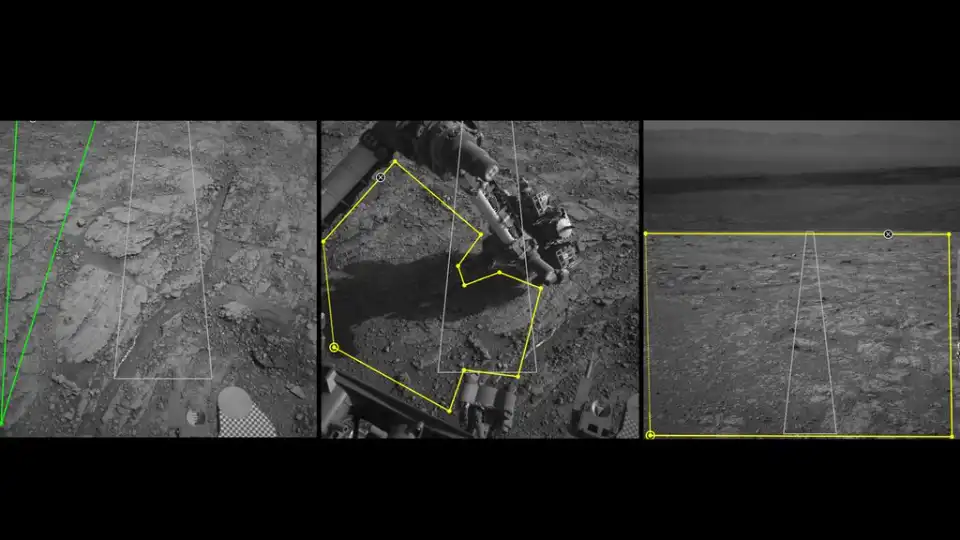
Visitors to the site are taught how to identify different kinds of ground on Mars. So far, the project is about 34% complete. Nearly 4,000 volunteers have labeled around 140,000 areas in photos of Mars.
(Source: NASA/JPL-Caltech.)
If NASA can improve its computer system to better recognize Mars rocks, it will allow them to drive Curiosity on paths less likely to cause damage to its wheels. The information should also help keep Curiosity from getting stuck in the sand.
The system won’t only help Curiosity, it will also help protect any of NASA’s future rovers as well. NASA is planning on sending a new rover called Perseverance to Mars later this summer.
To help NASA label its Mars images, visit the AI4Mars site.
Check Yourself
0/4
1. What's the name of NASA's rover that got stuck in the sand?
2. Though Curiosity has only driven about 14 miles (22.5 kilometers), the _______________ on its wheels is wearing out.
3. Identifying the ground surface on Mars will help NASA choose _______________ paths for the Curiosity Rover.
4. Which is NOT one of the Mars ground surface types that scientists hope to identify?
soil (packed dirt)sandgrassy fieldlarge flat rocksAre you curious about Mars? What would you most like to learn about and why?
ResetSourceswww.smithsonianmag.com
science.nasa.gov
www.space.com
phys.org
www.nbclosangeles.com
www.zooniverse.org
When NASA sends its new rover blasting off to Mars in July, it will carry the name “Perseverance”. The name was suggested by Virginia middle-school student Alexander Mather, who won NASA’s “Name the Rover” contest.
You might be interested in…
Scientists Surprised by Clever Fishing Wolf
NFK Editors - Dec 3, 2025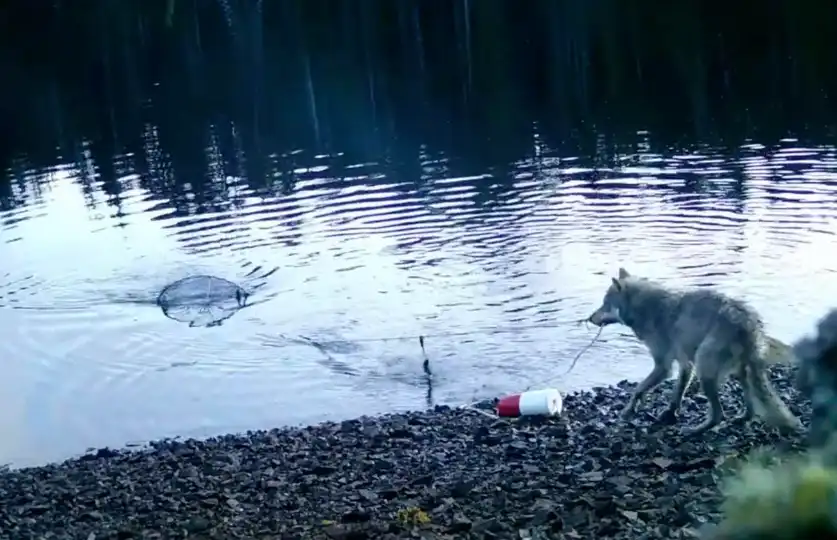
In 2021, the Heiltsuk Nation in Canada set traps to catch invasive European green crabs. The traps kept getting destroyed, and no one knew how. When scientists set up a camera to learn what was going on, they got a surprise: a clever wolf had used a series of complicated steps to get food from the trap.
ISS Celebrates 25 Years of People Living in Space
NFK Editors - Nov 6, 2025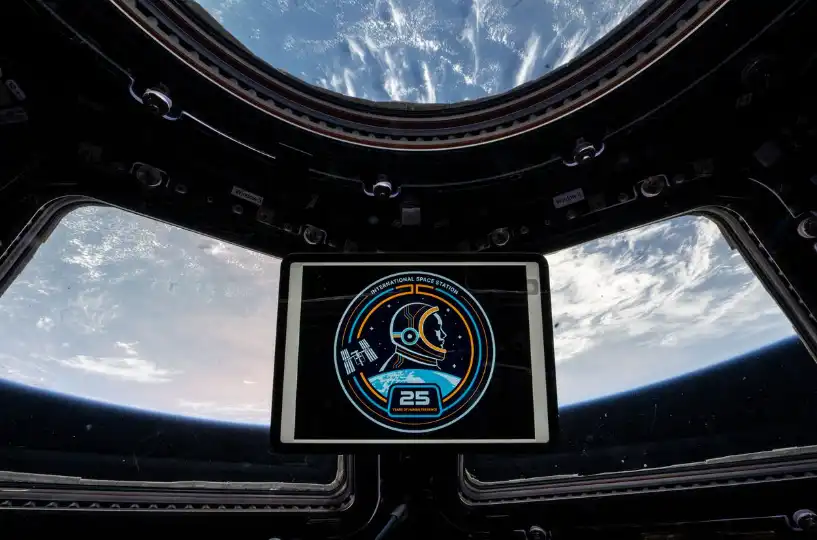
This week marks 25 years of humans living in space. On November 2, 2000, three astronauts became the first full-time workers at the International Space Station. Since then, the ISS has never been empty.
Is Seeing Believing? AI Videos Look Extremely Real
NFK Editors - Nov 5, 2025
Over the last year or so, the quality of AI-generated videos has become so good that it’s extremely difficult to tell whether a video is real or not. An English TV channel recently ran a show about AI. At the end of the episode, the “woman” presenting the show announced that she wasn’t real.
40 Years of Making Software “Free”
NFK Editors - Oct 8, 2025
The Free Software Foundation celebrated its 40th birthday last Saturday. First started in 1985, the FSF has helped shape the digital world we live in today. Its ideas about free software inspired the open‑source movement; now open‑source programs run on countless computers, phones, and devices around the globe.


Comments