Forest Fires Put Out Near Chernobyl
NFK Editors - April 15, 2020Pripyat, Ukraine —(Map)
Ukraine reports that fire fighters have put out forest fires near the location of the world’s worst nuclear accident. The forest fires threatened to spread dangerous radiation through the air, though the accident happened over 30 years ago.
Nuclear power is created by splitting atoms. It’s a dangerous process – built on the science behind nuclear weapons. Nuclear power produces toxic waste which must be handled and stored with great care.
The great danger of nuclear power is radiation. If something is “radioactive” that means it gives off radiation. Radiation is energy traveling in waves.
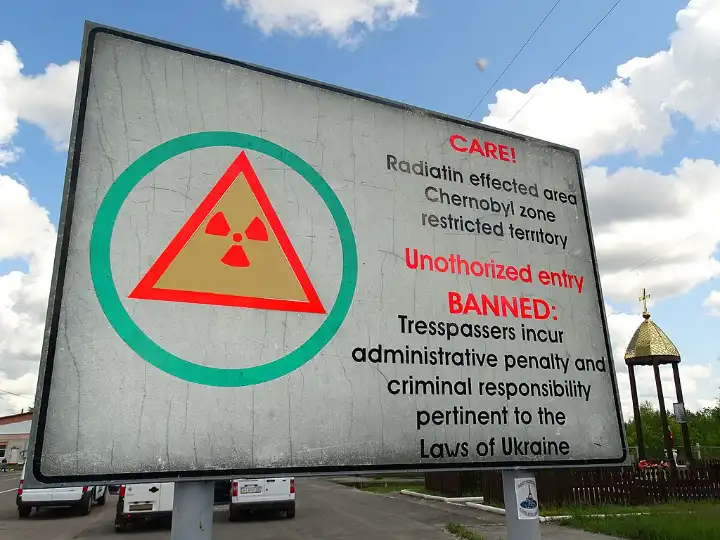
The great danger of nuclear power is radiation. If something is “radioactive” that means it gives off radiation. Radiation is energy traveling in waves. The warning symbol for radiation can be seen in the yellow triangle on this sign for the Chernobyl Exclusion Zone.
(Source: Adam Jones [CC BY-SA], via Wikimedia Commons.)
High levels of radiation can cause sickness or even death. It can also affect the DNA of humans and animals. That means it can affect the children of people who have been exposed to high levels of radiation.
The Chernobyl Nuclear Power Plant (CNPP) is about 60 miles (100 kilometers) away from Kyiv, Ukraine. In 1986, Ukraine was part of the Soviet Union (USSR) – a huge country that included Russia and many other nations. The USSR broke up in 1991 and most of those smaller nations, like Ukraine, are now their own countries.
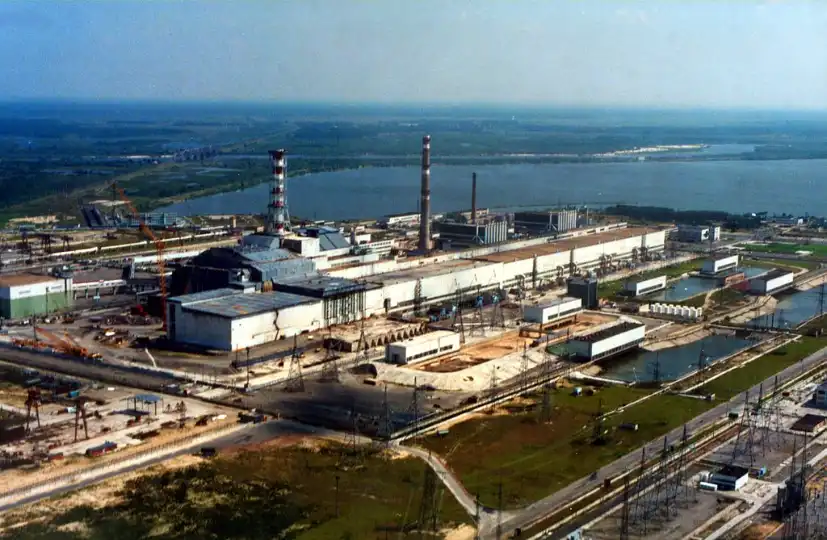
In 1986, the Chernobyl Nuclear Power Plant (shown above, in 2007) had the worst nuclear accident in history. A series of mistakes and accidents caused an explosion and a huge fire, which released radioactive pollution across much of Europe.
(Source: IAEA Imagebank [CC BY-SA], via Wikimedia Commons.)
In 1986, the CNPP had the worst nuclear accident in history. A series of mistakes and accidents caused an explosion and a huge fire, which burned for nine days. During that time, radioactive pollution was released over parts of the USSR and western Europe.
As a result of the disaster, entire cities had to be cleared. Over 100,000 people had to leave their homes forever. A 1,000 square mile (2,600 square kilometer) area around the CNPP was set apart as the “Chernobyl Exclusion Zone” to keep people away from the radioactive pollution.
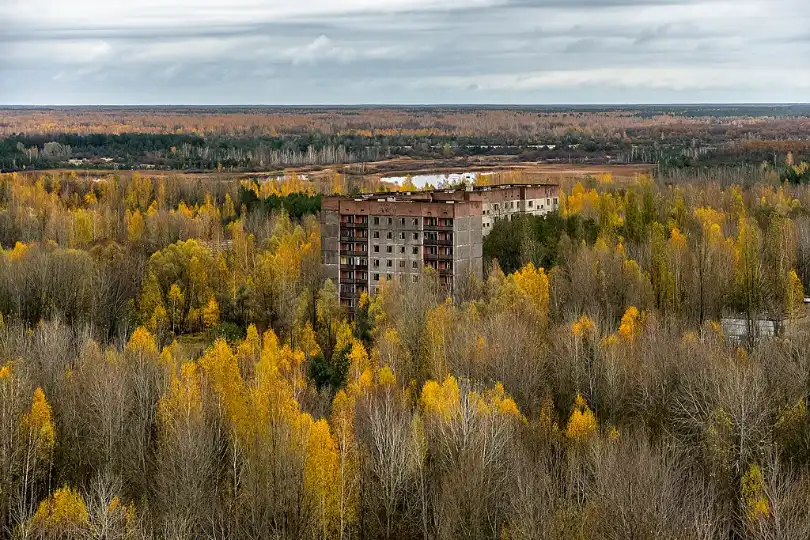
As a result of the disaster, entire cities had to be cleared. Over 100,000 people had to leave their homes forever. A huge area around the CNPP was set apart as the “Chernobyl Exclusion Zone” to keep people away from the radioactive pollution (above).
(Source: Jorge Franganillo [CC BY], via Wikimedia Commons.)
Much of the land in the Zone is forest and grassland. Radioactivity breaks down slowly over time, so the radiation has dropped some by now. The radioactive pollution has become part of the plants and the dirt in the area.
But on April 4, a fire broke out in the Zone. The danger from fires there is much greater than regular forest fires because they can release the radioactive pollution back into the air. Once the pollution is in the air, it can be spread by the wind.
Forest fires are common in the area, where many trees were killed by the radiation, but the recent fires were larger than normal.
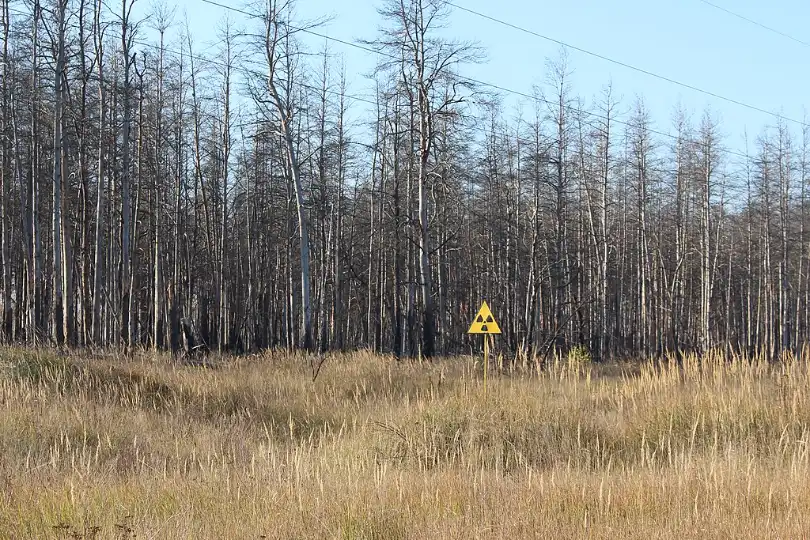
Much of the land in the Zone is forest and grassland. The danger from fires there is much greater than regular forest fires because they can release the radioactive pollution back into the air. Once the pollution is in the air, it can be spread by the wind.
(Source: ArticCynda [CC BY-SA], via Wikimedia Commons.)
Over the last 10 days, hundreds of fire fighters have been struggling against the blazes. One fire came close to the CNPP. Keeping fires away from the plant is important, since dangerous toxic material is still stored there.
Fighting the fire was much more challenging than normal, because of the radiation dangers. In some places, fire fighters couldn’t dig ditches to stop the fire from spreading, so most of their efforts went into dropping water from the air.
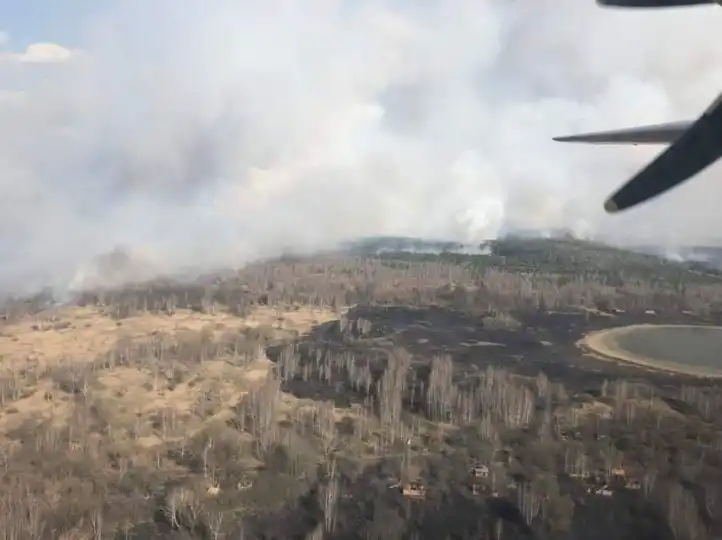
Fighting the fire was much more challenging than normal, because of the radiation dangers. Most of the efforts went into dropping water from the air. Ukraine’s government says there are no major open fires still burning.
(Source: State agency of Ukraine on Exclusion Zone management [CC BY], via Wikimedia Commons.)
Rain in the area helped bring the fires under control. Ukraine’s government says that there are still some small grass fires, but there are no major open fires still burning. The government says radiation levels in the air in Kyiv and nearby areas are normal.
Did You Know…?
The CNPP had four reactors and only one had an accident. The other three continued to run until 2000. Now the site is being cleaned up – a process that will take until 2065. Still, scientists don’t expect people to be able to live in the area for about 20,000 years.
Check Yourself
0/4
1. Nuclear energy creates _______________ waste which must be handled and stored very carefully.
2. In 1986 the Chernobyl Nuclear Power Plant had an explosion followed by a fire which spread radioactive pollution across much of Europe. How long did the fire burn?
nine daysthree weeksnine hourstwo days3. The "Chernobyl Exclusion Zone" is a huge area which is off limits in order to keep people away from the radioactive pollution.
True False4. Hundreds of fire fighters worked for days to put the forest fires out. What finally helped get the fires under control?
Many people believe nuclear energy will be important for fighting the climate crisis. When it works correctly, it pollutes far less than coal or oil. Do you think it's worth the risk? Why or why not?
ResetSourceswww.dw.com
www.president.gov.ua
www.theguardian.com
www.nytimes.com
www.theguardian.com
www.dw.com
www.bbc.com
www.abc.net.au
en.wikipedia.org
Pripyat, Ukraine
View Larger MapShare:
A town in Finland has begun using the world’s largest “sand battery” to help provide heat. The unusual method of storing energy allows the town to create heat when electricity prices are cheap, and store it for long periods of time. The heat can then be used whenever it’s needed.
Trump Stops Wind Project That’s 80% Complete
NFK Editors - Aug 27, 2025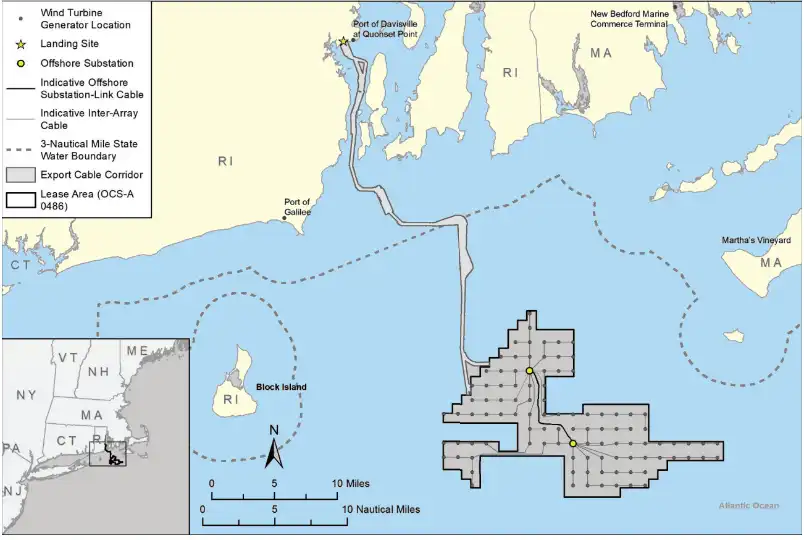
A huge offshore wind farm project near Rhode Island has been suddenly stopped by the US government. The project, which is 80% completed, was meant to bring clean energy to hundreds of thousands of homes. Some people worry that the government is making it too hard for wind power projects to succeed.
Europe Struggles With Heat Waves, Wildfires
NFK Editors - Aug 19, 2025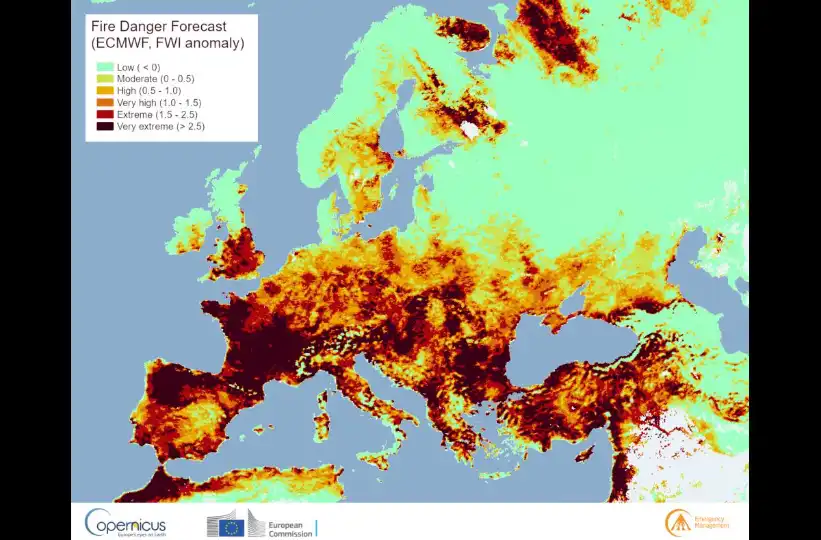
Heat waves across Europe are bringing record temperatures and dangerous, widespread wildfires. Southern European countries like Spain, Greece, and Portugal are being hit especially hard. But summer heat waves have also caused problems in Northern Europe and elsewhere around the globe.
Earth Day 2025 Focuses on Power
NFK Editors - Apr 23, 2025
Yesterday was the 55th celebration of Earth Day. This year’s theme was “Our Power, Our Planet”, with a focus on how rapidly growing renewable energy sources are promising hope in the fight against the climate crisis.




Comments